Will an AI Portrait Keep My Pet's Distinctive Markings?
What AI pet portraits get right about markings, eye color and ears, where they can slip, and how to get the most faithful result, with real examples.
Updated November 24, 2026 · 3 min read
Usually, yes, as long as the markings are clearly visible in your photo. A good AI pet portrait keeps the white blaze, the eye color, the ear shape and the patches that make your pet yours, and changes only the painting around them. It isn’t perfect: small details like the exact shade of a nose can shift. Below are real examples from Paint My Pet, including one where it slipped.
What a portrait is told to keep
Every Paint My Pet style starts with the same identity instructions before it says anything about the art style. They list, among other things:
- head shape and muzzle proportions
- eye color and eye shape
- ear shape, size and carriage (upright, folded, floppy, or one up and one down)
- fur color and unique markings, which must never be added, removed or moved
- the pet’s expression
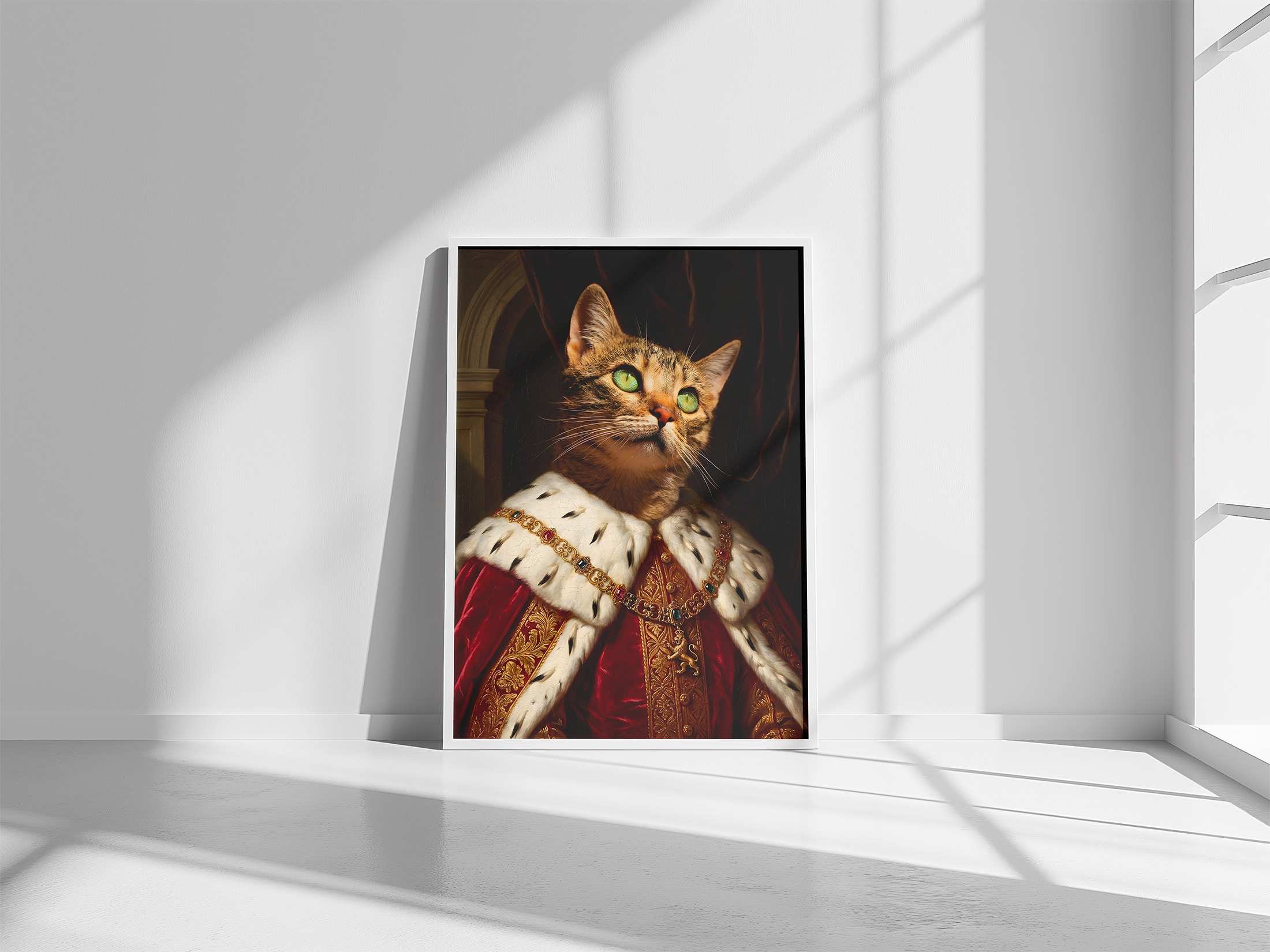
The style (oil, watercolor, a royal robe) is layered on top. That ordering is the main reason the same dog stays recognizable across very different looks.
Example: a border collie, up close
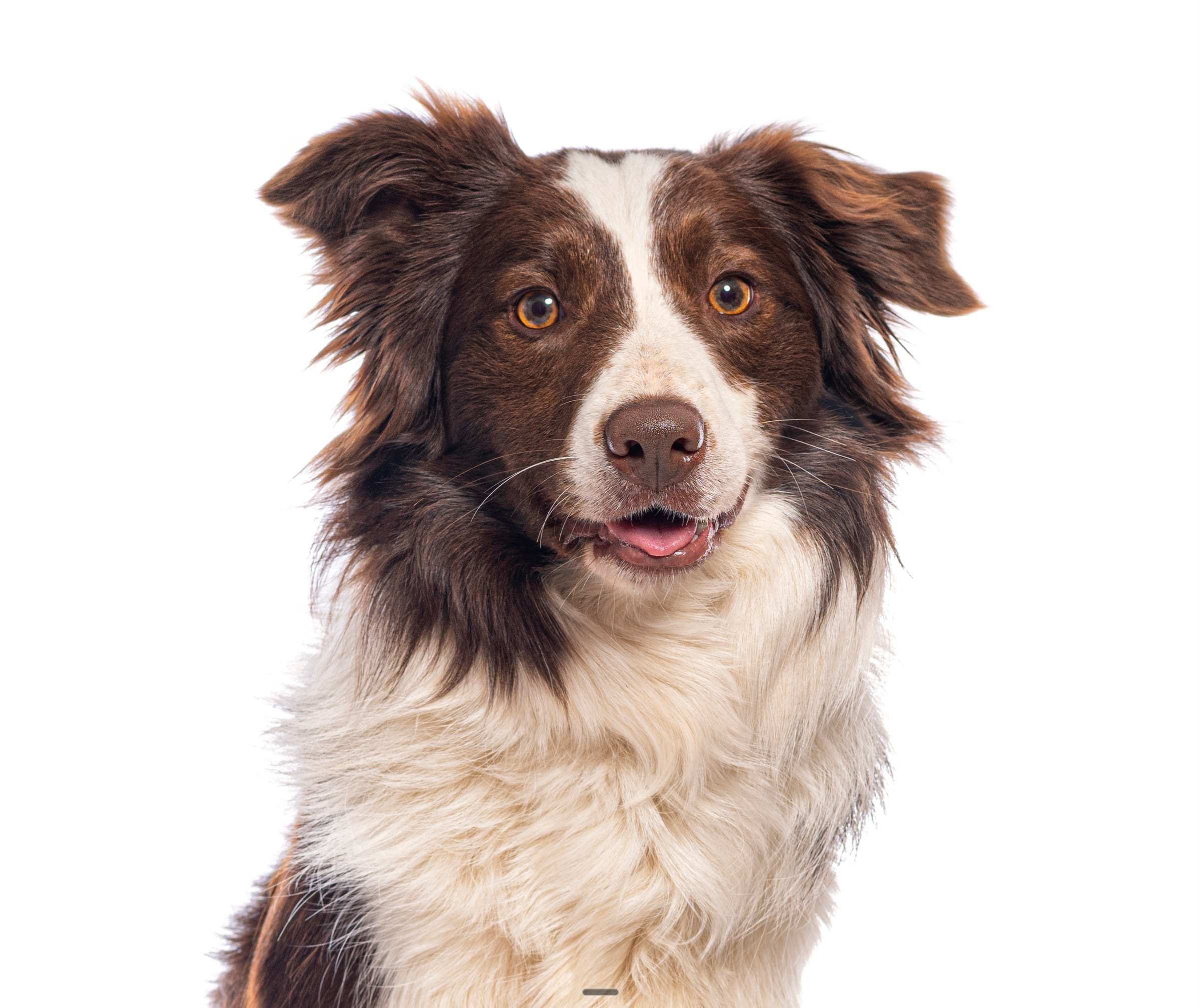
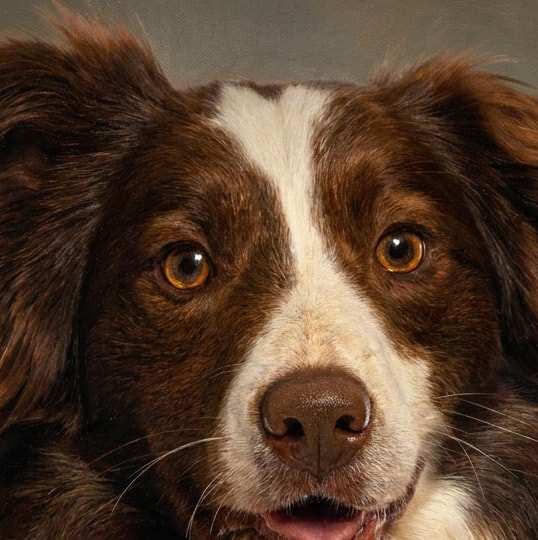
The photo: amber eyes, white blaze, liver-brown nose.
Oil Painting: blaze, eye color and nose all kept.
The oil portrait keeps the shape of the blaze between the eyes, the amber eye color, the brown patches over the eyes and the liver-brown nose. It’s the same face, repainted.
Where it slipped: the watercolor nose
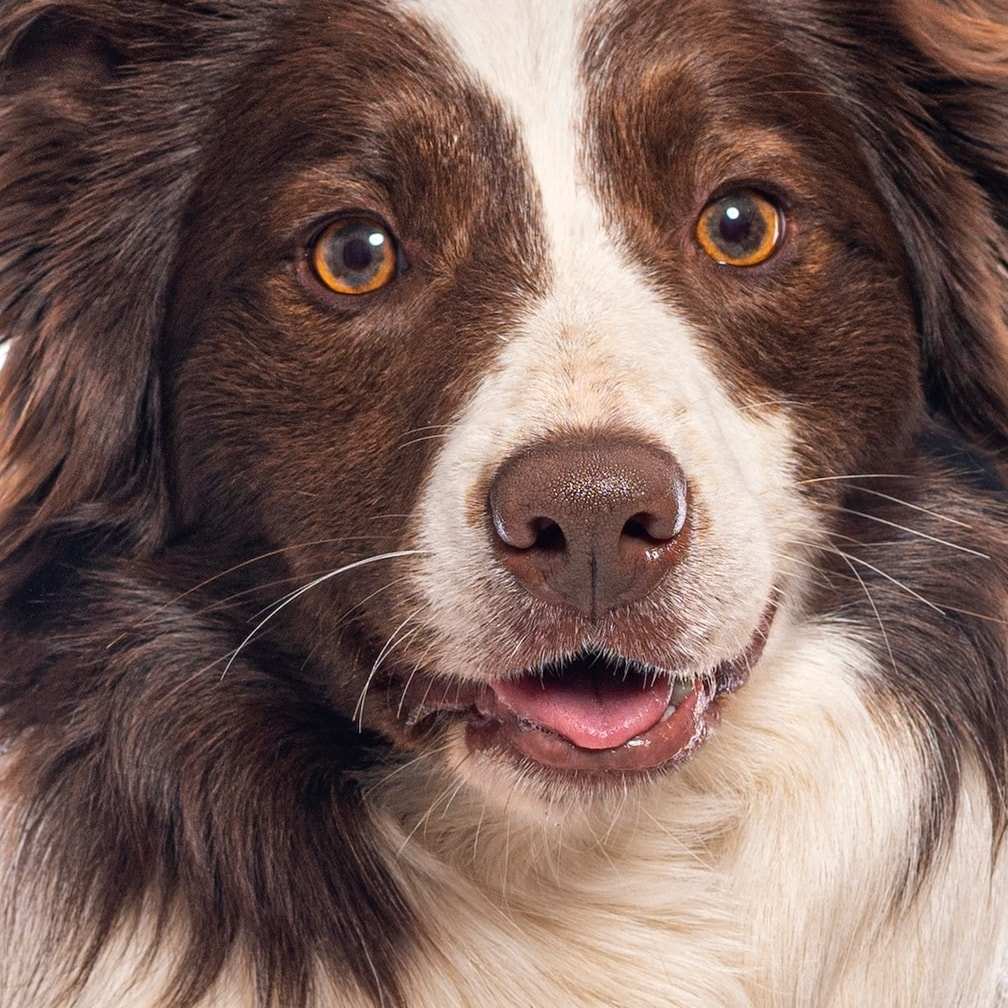
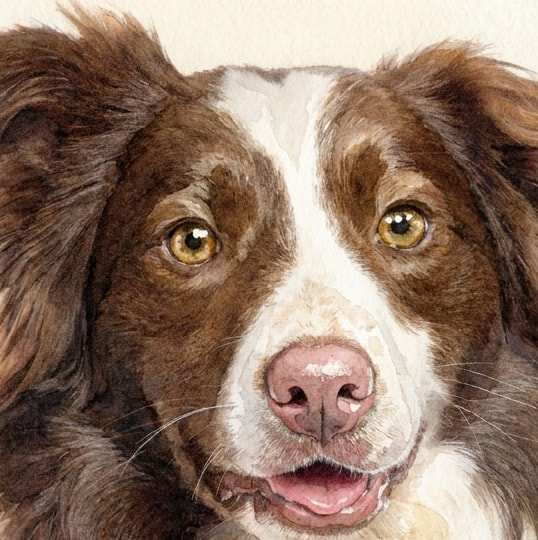
The photo: liver-brown nose.
Watercolor: markings kept, but the nose turned pinkish.
In the watercolor version, the markings and eyes are right, but the nose came out pinkish. Watercolor uses a light, warm palette, and here the model leaned into it. Most people wouldn’t notice; the owner of this dog would. That’s exactly the kind of detail to check in your free preview, and what the included re-roll is for.
Example: a tabby’s stripes and green eyes
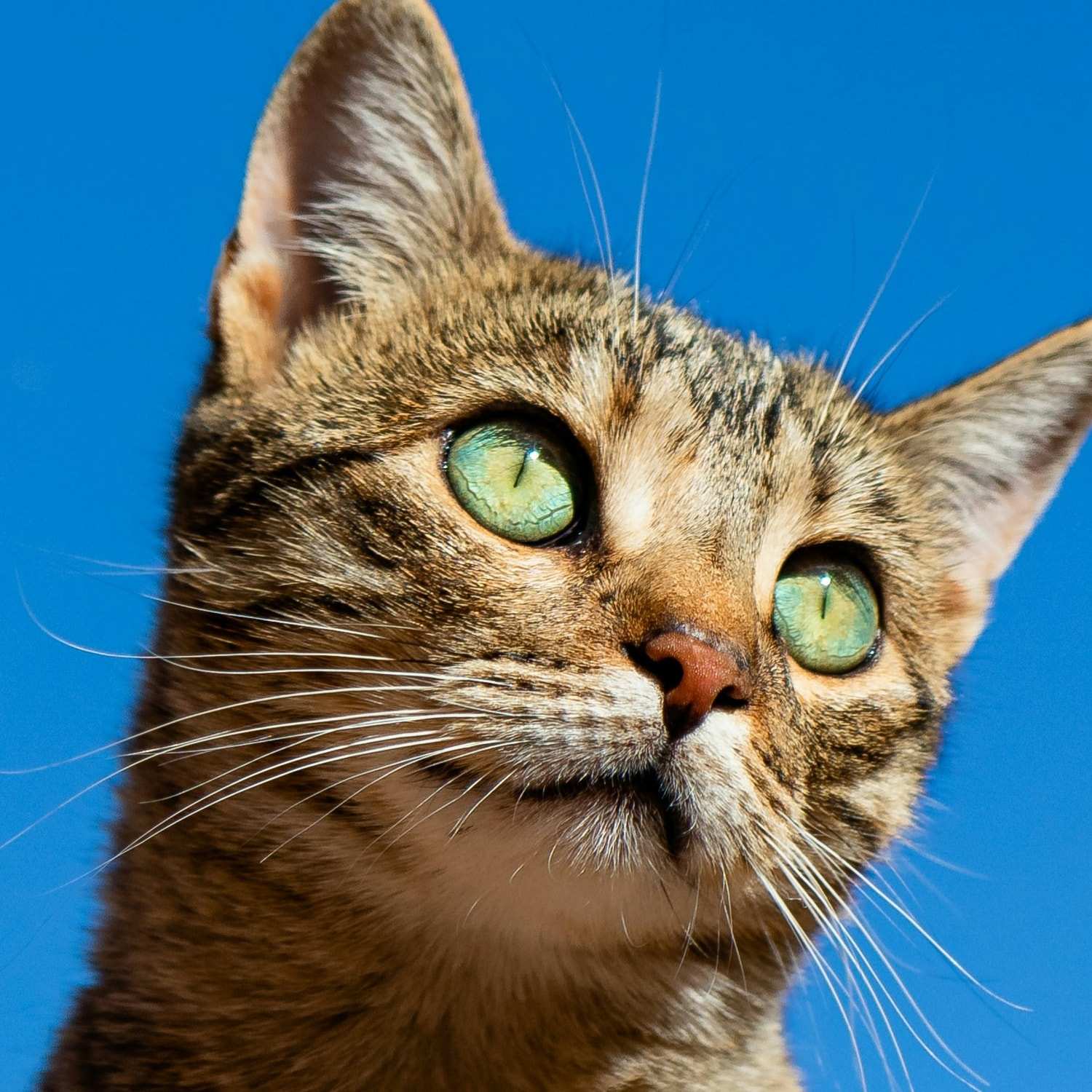
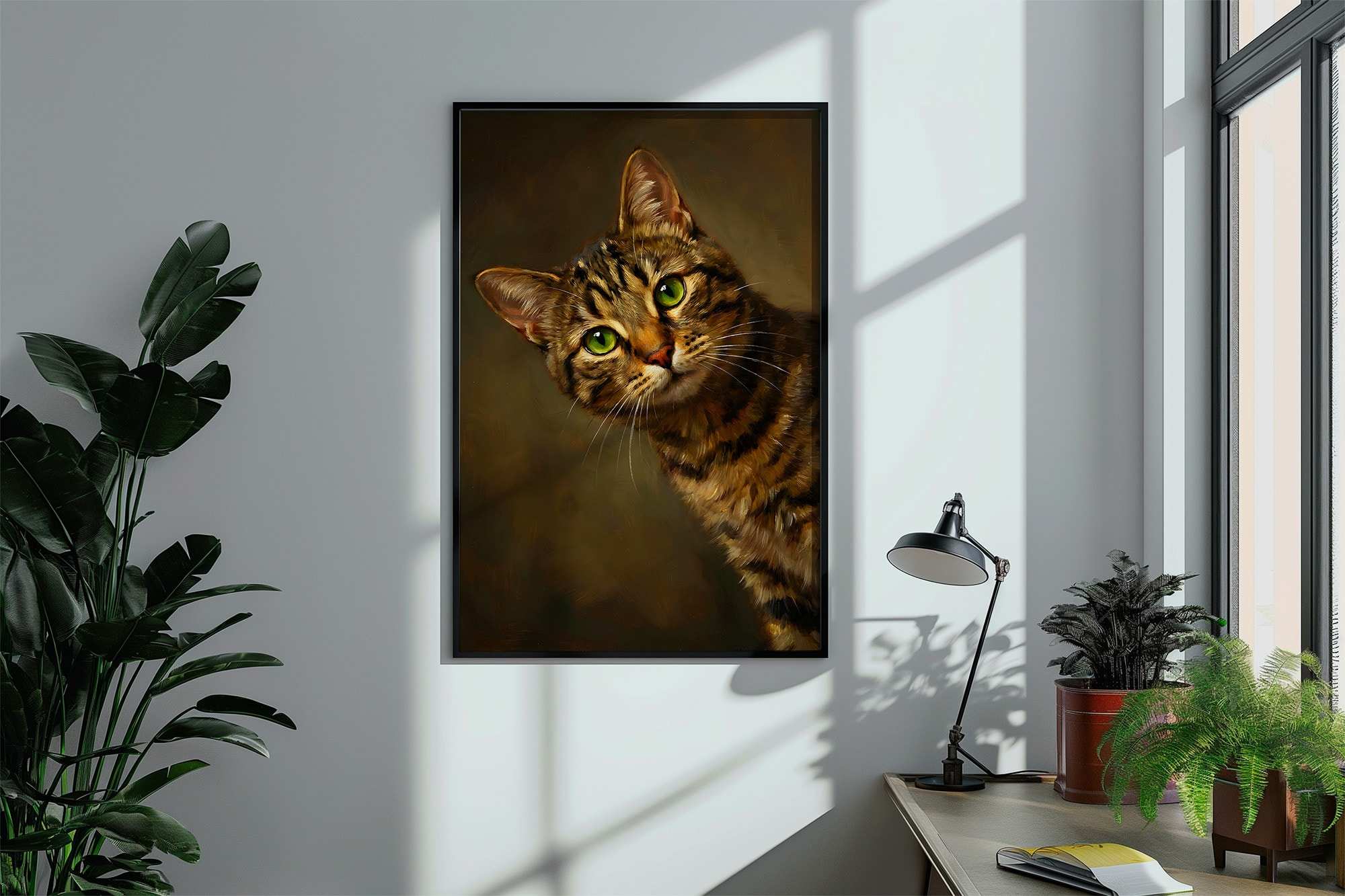
The photo: green eyes, tabby stripes, pink-brown nose.
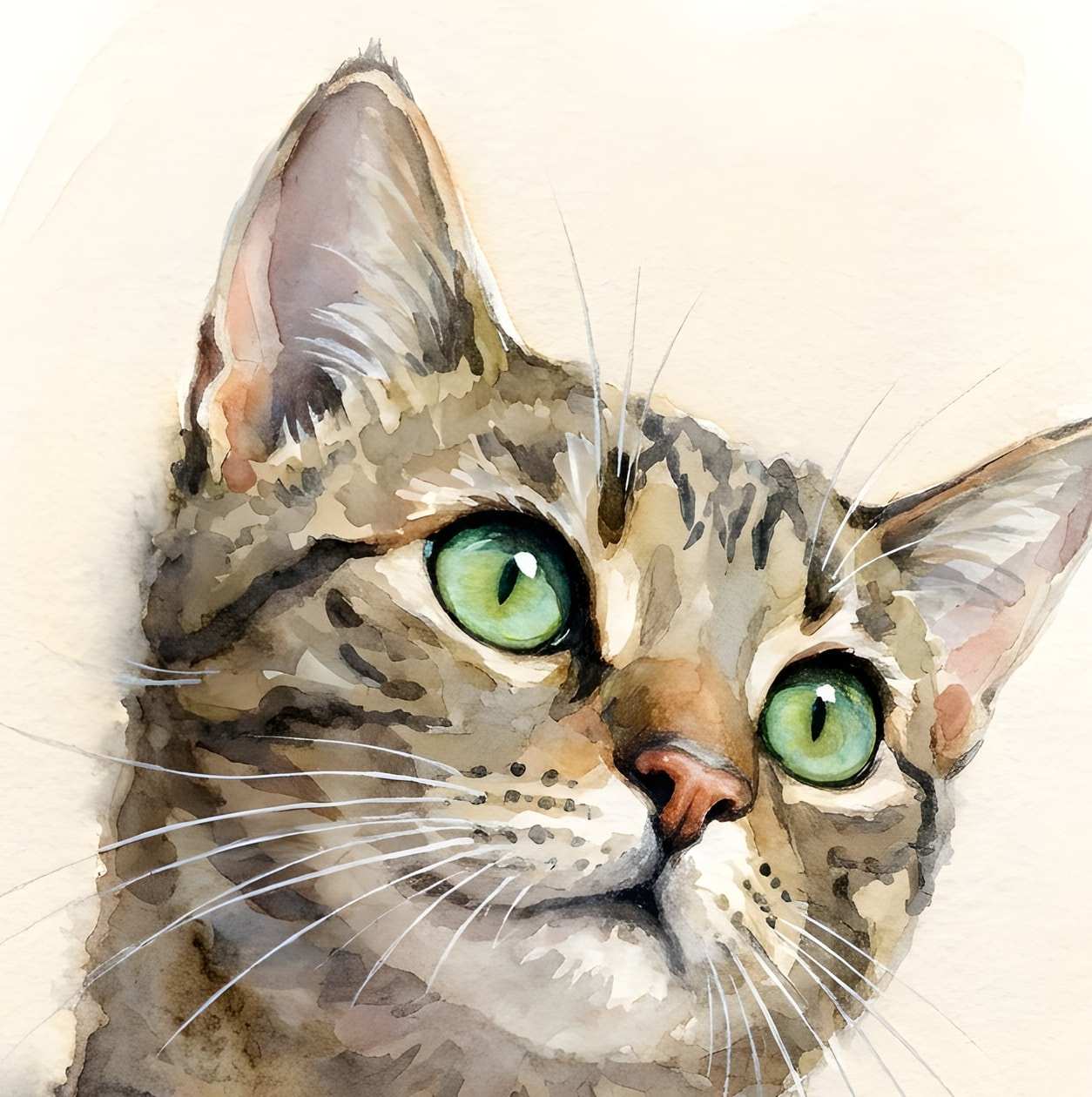
Watercolor: stripes, eye color and whiskers kept.
Tabby stripes are a good test, because they’re busy and irregular. The watercolor keeps the stripe pattern on the forehead, the green eyes and the whisker spread.
How to get the most faithful portrait
- Show the markings in the photo. A chest patch hidden by a blanket can’t appear in the portrait.
- Use a sharp photo. Blur turns fine markings into smudges, and the AI then has to guess.
- Prefer even light. Strong shadows can look like dark patches; bright highlights can wash out pale ones.
- Pick the right style. Detailed styles (Oil Painting, Pencil Sketch, Royal) hold fine markings best; Watercolor deliberately loosens the edges.
- Check the preview closely, especially eyes, nose and any one-of-a-kind feature. Re-roll if something’s off.
See whether it gets your pet’s markings right. The first preview is free.
Try it with your photo, freeQuick answers
Will an AI portrait change my pet's markings?
A well-built style shouldn't. Paint My Pet's instructions tell the model never to add, remove or move markings, and to keep eye color, ear shape and expression. Small color shifts can still happen, which is why the first preview is free and paid styles include a re-roll.
What if my pet has one floppy ear or unusual features?
Ear carriage, including one up and one down, is part of what every style is told to keep. The clearer the feature is in your photo, the better its chance of surviving.